

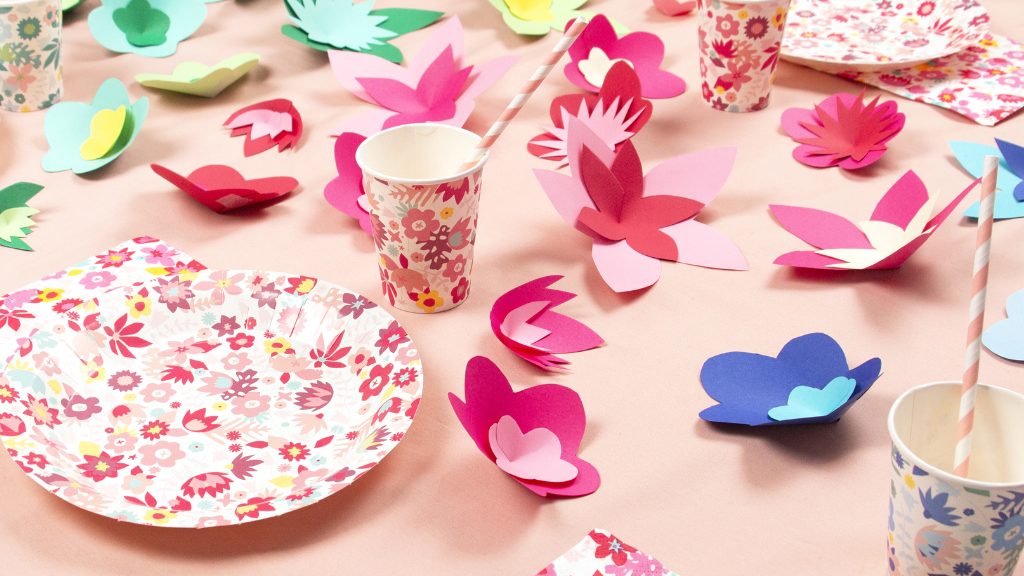
When we launched the marketplace, our mission was clear -to replace single-use plastic waste from celebrations with sustainable alternatives. What we didn't expect was the question that would come back again and again: "Why are you selling disposable plates, cups, and napkins?"
It's a fair question. And it deserves a thoughtful answer.
The Greenwashing Problem
We discovered early on that most disposable party supplies marketed
as "eco-friendly" are anything but. Take paper plates – they look and
feel sustainable, but flip one over and check the fine print. Many will contain
a plastic lining - usually PLA (polylactic acid) or other synthetic polymers - designed
to make them waterproof and grease-resistant. That plastic doesn't biodegrade.
It breaks down into microplastics that persist in soil and waterways for
decades.
It’s the same for paper cups. That smooth, water-resistant coating? Plastic. And because it's bonded to the paper, it can't be easily separated during recycling or composting, making the whole product harder to process sustainably.
Brands know this, yet they market the products anyway, betting that most customers won't dig deeper.
Our Approach: Transparency Over Greenwashing
This is why we're selective about the disposables we stock on the marketplace.
The paper plates, cups, and napkins you'll find here use vegetable-based inks and vegetable lacquer, not plastic linings. That's not a small difference. It means they can actually be composted (subject to what they've been used for, of course). It means they break down naturally rather than fragmenting into microplastics. It means the "eco-friendly" label is honest, although we prefer ‘single-use plastic free’ as a label which is less vague.
We don't stock these items because we think disposables are the answer. We stock them because we know that for some celebrations, some people need them. And when they do, we want to make sure they're making the best possible choice.
Meeting People Where They Are
Here's something-else we've learned: sustainability isn't binary.
There's a narrative in the eco space that goes like this:reusable is good, disposable is bad. However, that thinking doesn't reflect how real people actually live, and it doesn't drive real change.
Some customers come to us wanting fully reusable party supplies. Brilliant. We support that wholeheartedly. But others are hosting their first party in a tiny flat with no storage space. Or they're catering for 200 people and logistics can make reusable feel impractical (we’re not saying it us, just recognising that’s how it feels for some). Or perhaps they're managing a budget, or are time-poor and stressed.
These aren't character flaws. They're real constraints.
And when someone in that situation chooses a genuinely plastic-free disposable over a plastic-lined one, that's a win. Not a perfect outcome, but a real one. A better choice. Progress.
We're not here to judge those decisions. We're here to help people make better ones, whatever their circumstances.
Why This Matters for the Planet
Let's be clear about our priorities. Our core mission is to remove single-use plastic from celebrations. That's non-negotiable. But we also
consider the wider environmental footprint of every product we sell, and try to
minimise it wherever we can, prioritising reusable options as much as possible.
We also know that shaming people into "perfect" sustainability doesn't work. It alienates them, makes them defensive, and absolutely stops conversations before they even start.
Real change happens when we include people, not exclude them, when we educate without judgment. When we show that there are better choices available, and that choosing them doesn't require perfection.
How to Spot Greenwashing
If you're shopping for party supplies anywhere - not just with us - here's
what to look for:
- Check the materials. If it says "paper" but
doesn't specify what the coating is, ask. Genuine brands won’t mind you asking.
They'll say "vegetable lacquer" or "water-based coating" or
be transparent about what they use.
- Look for certifications. Compostable products should have
third-party certification such as 'REAL' or 'OK Compost'. If a brand claims a product
is compostable without backing it up, ask more questions.
- Read the fine print. Greenwashing often hides in the
details. "Made from recycled materials" sounds great until you
realise the recycled content is 5%. "Biodegradable" sounds promising
until you learn it takes 200 years.
- Ask questions. Good companies (we'd like to think we're doing our best to be one) won’t get defensive when customers ask tough questions. They answer them. They're transparent. They educate.
The Bigger Picture
Stocking a small amount of genuinely plastic-free disposables isn't a
contradiction of our mission. It's an extension of it. It's us saying: we
understand that not every celebration can be zero waste, and that's okay. But
every celebration can be single-use plastic free. Every celebration can be
better.
We're not gatekeeping sustainability for the perfectly organised, the wealthy, or the time-rich. We're making it accessible. We're meeting people where they are and showing them there's a better way - without judgment, or the pressure to be perfect.
Because real change includes people. It doesn't exclude them.

Share this via
Or copy link